At Activities Beyond the Classroom (ABC), we believe that lasting change starts with listening to our communities. This principle guided us as we embarked on a partnership fueled by Interact for Health to launch a youth board that was representative of the entire city of Cincinnati, to understand from the source what teens believe are the greatest challenges in youth mental health, as well as possible solutions to address these issues. An outstanding group of 10th graders from across Greater Cincinnati met over the span of four months, and through team building activities, candid conversations, and thoughtful reflection, they shared invaluable insights about their generational experience.
Adolescents today face unprecedented challenges, with several modern stressors contributing to a sense of instability and fear. Gun violence, especially in schools, has become a constant concern.
The leading cause of death for US children and teens is guns, and school shootings remain an ever-present fear for students across the country, leading to heightened anxiety and absenteeism from fear of violence. (CDC) The pressure to stay connected through online platforms has also blurred boundaries between social lives and personal downtime. Many adolescents report feeling trapped by the expectation to always be available, contributing to feelings of burnout and emotional exhaustion. These stressors are compounded by the constant flood of curated, idealized content on social media, fostering comparisons that damage self-esteem. (CDC)
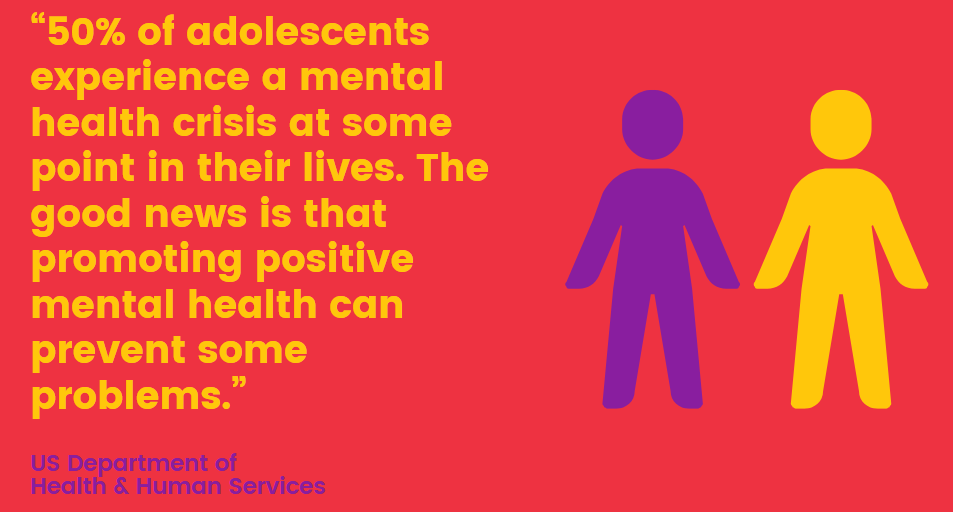
According to the latest Youth Risk Behavior Survey, about 40% of US students reported experiencing persistent sadness or hopelessness. (CDC) In addition, Mental Health America’s 2024 report reveals that youth mental health issues are particularly acute for marginalized groups. LGBTQ+ teens, for example, face higher risks of bullying and suicidal thoughts, with nearly 20% reporting suicide attempts. (CDC) In fact, the US Department of Health and Human Services found that 50% of adolescents experience a mental health crisis at some point in their lives. However, as our students emphasized, positive mental health promotion can mitigate these challenges before they spiral.
Cincinnati is no exception to these national trends. One in three Cincinnati students faces significant issues with anxiety, and a growing number of caregivers report being overwhelmed by the mental health needs of their children. Clare Zlatic Blankemeyer, the Executive Director of the Hopeful Empowered Youth (HEY!) Coalition, which focuses on improving youth mental health in Cincinnati, shared that, “it took us years to get here in the environmental conditions that are impacting the well-being of youth. So we know we need to have a long-haul plan.”
The challenges raised by our youth board echo these national trends. Through open dialogue with our youth, guided by professional facilitators, they highlighted several issues they believe are leading the adolescent mental health crisis in Cincinnati:
Our youth board went a step further, and envisioned meaningful solutions they believe would improve their and their peers’ mental well-being:

We are eager to act on the ideas shared by these thoughtful young leaders. Their insights are already shaping we design future programs at ABC and guiding our advocacy efforts. We’re also proud to share these recommendations with our partners across Cincinnati, and hope that our peers in nonprofits, foundations, and government agencies will take these recommendations into consideration as they plan to address this mental health crisis too.
These discussions were both inspiring and eye-opening. They reinforced the importance of including youth voices in conversations about systems that affect their daily lives. We’re honored to have gotten this feedback from our youth; now, it’s our collective responsibility to listen and act, ensuring that the systems supporting them are as dynamic, thoughtful, and caring as they are.
We extend our deepest gratitude to the students, families, and community members who made this project possible. We are especially grateful to Youth at the Center, The YMCA of Greater Cincinnati, Adventure Crew, the Cincinnati Youth Collaborative, and the Cincinnati-Hamilton County Community Action Agency, our partners in bringing this project to fruition. Many thanks again to Interact for Health, who funded this collaboration.